

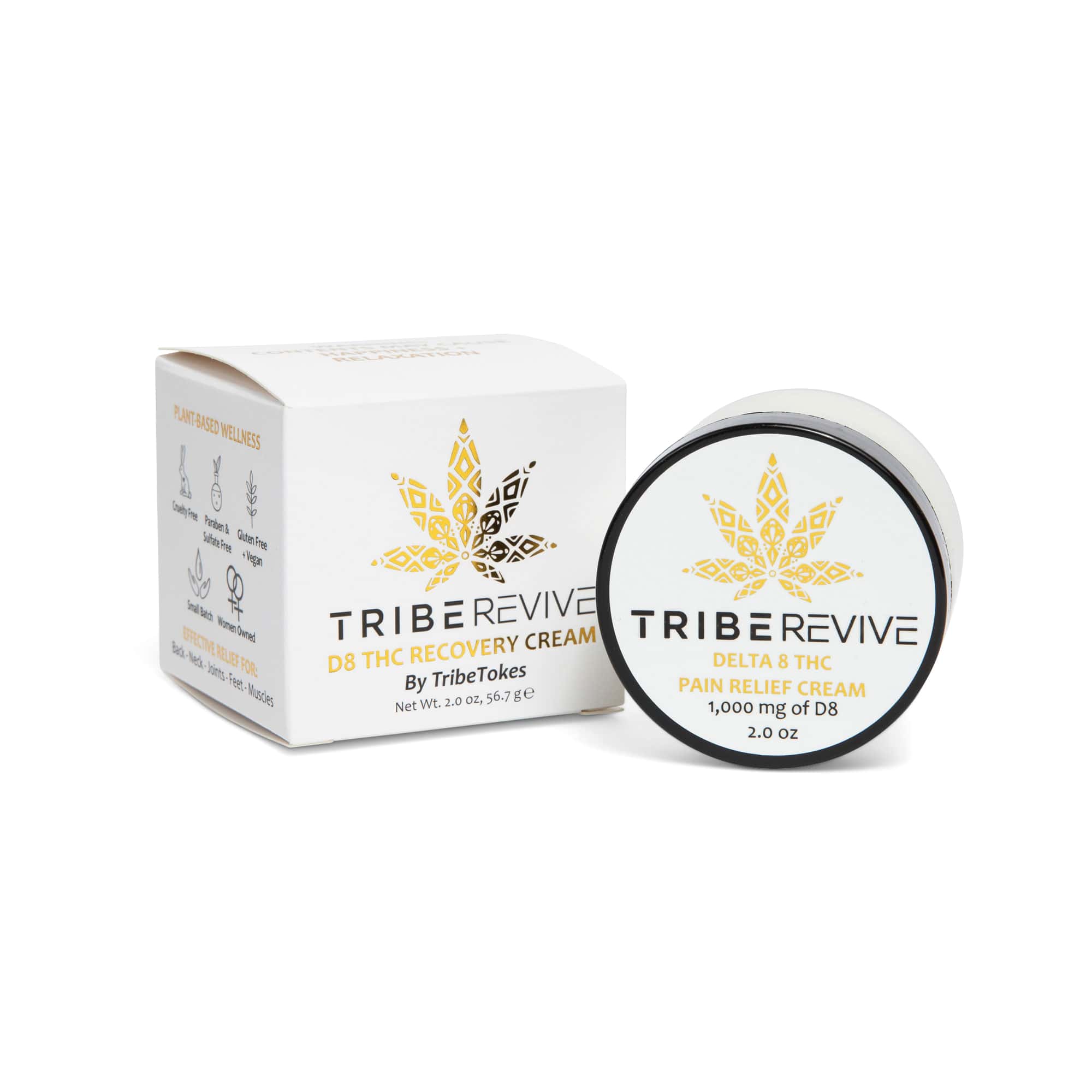
Delta-8 and CBD both offer pain-relief properties, but Delta-8 is psychoactive while CBD is not. The choice depends on individual tolerance and legal status.
Managing pain effectively is a key concern for many individuals, and the emergence of Delta-8 and CBD has provided new options beyond conventional pharmaceuticals. Delta-8 THC, a cannabinoid similar to the more famous Delta-9 THC found in marijuana, has gained attention for its pain-relief capabilities with added mild euphoric effects.
On the other hand, CBD, known for its therapeutic benefits, does not induce a high and may be preferable for those seeking solely the medicinal benefits without psychoactive experiences. The legality of Delta-8 varies by jurisdiction, so checking local laws is essential. Ultimately, the choice between Delta-8 or CBD for pain management should align with personal health objectives, desired effects, and legal considerations.
Credit: tribetokes.com
Delta-8 And Cbd Explained
Delta-8 and CBD have different chemical makeups. Delta-8 is similar to THC but less potent. CBD does not cause a high. Both interact with the body’s endocannabinoid system.
Their legal status differs as well. Delta-8, like THC, can be restricted by law. CBD is generally legal, but laws vary widely. The Farm Bill of 2018 legalized hemp-derived CBD. Accessibility depends on these laws.
Analgesic Properties Of Delta-8 And Cbd
Delta-8 and CBD both have unique ways to manage pain. Delta-8 interacts with the body’s endocannabinoid system differently than CBD. This system has a big job in controlling pain. Delta-8 binds to CB1 receptors in the brain which may affect pain signals. CBD doesn’t bind as strongly. So, its pain control is different.
CBD may reduce inflammation and change how brain cells react to pain. Studies suggest that Delta-8 might be stronger than CBD in pain relief. Still, both show promise for pain management. People may find one more helpful than the other. It’s important to note that individual results can vary.
Personal experience and clinical studies help understand which is better for pain. Keep in mind, legal status and availability can differ. This affects which compound people can use for pain.
User Experiences With Delta-8 And Cbd
User experiences widely vary when discussing the effectiveness of Delta-8 and CBD for pain relief. Countless individuals report that Delta-8 offers a more noticeable pain reduction, potentially due to its mild psychoactive properties. Unlike its counterpart, Delta-8 binds more closely to the CB1 receptors in the brain, which may account for its enhanced pain-relieving potential.
On the other hand, users praise CBD for its ability to alleviate discomfort without inducing a high. This non-psychoactive compound has been recognized for anti-inflammatory properties, which may play a critical role in pain management. Some users prefer CBD due to its legal status and broader availability.
| User Feedback | Delta-8 | CBD |
|---|---|---|
| Pain Reduction | Highly Effective | Moderately Effective |
| Psychoactive Effect | Present | None |
| Legal Status | Varies by State | Widely Legal |
| Availability | Limited | Broad |
Credit: tribetokes.com
Scientific Research And Studies
Scientific research delves into how substances affect pain. Delta-8 and CBD studies show varied results.
Delta-8 has undergone fewer clinical trials than CBD. Yet, some show promise in managing pain. Participants report less pain after using Delta-8. But, many experts urge caution due to the limited data.
CBD research is more extensive, suggesting significant pain relief benefits. Several studies highlight CBD’s anti-inflammatory and analgesic properties. These traits may help reduce chronic pain symptoms.
| Compound | Clinical Trial Findings |
|---|---|
| Delta-8 | Preliminary findings suggest potential for pain management. |
| CBD | More established research indicates effectiveness in reducing pain. |
Safety And Side Effects
Delta-8 THC carries more risks and side effects than CBD. Users may experience anxiety, dizziness, or elevated heart rate. Certain states have banned Delta-8 THC due to safety concerns.
CBD, on the other hand, is known for its safety and minimal side effects. Users typically do not report severe reactions. CBD’s non-psychoactive nature makes it a preferred choice for pain management.
| Substance | Side Effects | Legal Status |
|---|---|---|
| Delta-8 THC | Anxiety, Dizziness, Elevated Heart Rate | Varies State by State |
| CBD | Rare/Mild | Largely Legal |
Choosing The Right Option For Pain Relief
Understanding your unique pain is crucial when choosing between Delta-8 and CBD. Personal needs and preferences vary, affecting which option may work best. Delta-8 might offer stronger relief for some, while CBD is reputed for its mild and non-intoxicating effects. Consider your tolerance and desired results.
Before making a decision, it’s essential to consult with healthcare professionals. They can provide tailored advice based on medical history and current medications. Such expert input ensures that the choice between Delta-8 and CBD aligns with health goals while mitigating potential risks.
Credit: tribetokes.com
Conclusion
Navigating the choice between Delta-8 and CBD for pain relief can be complex. Each offers unique benefits, and the best option depends on individual needs and responses. Consulting with healthcare professionals and considering personal health conditions are crucial steps. Remember, your well-being is paramount when selecting a suitable pain management option.